
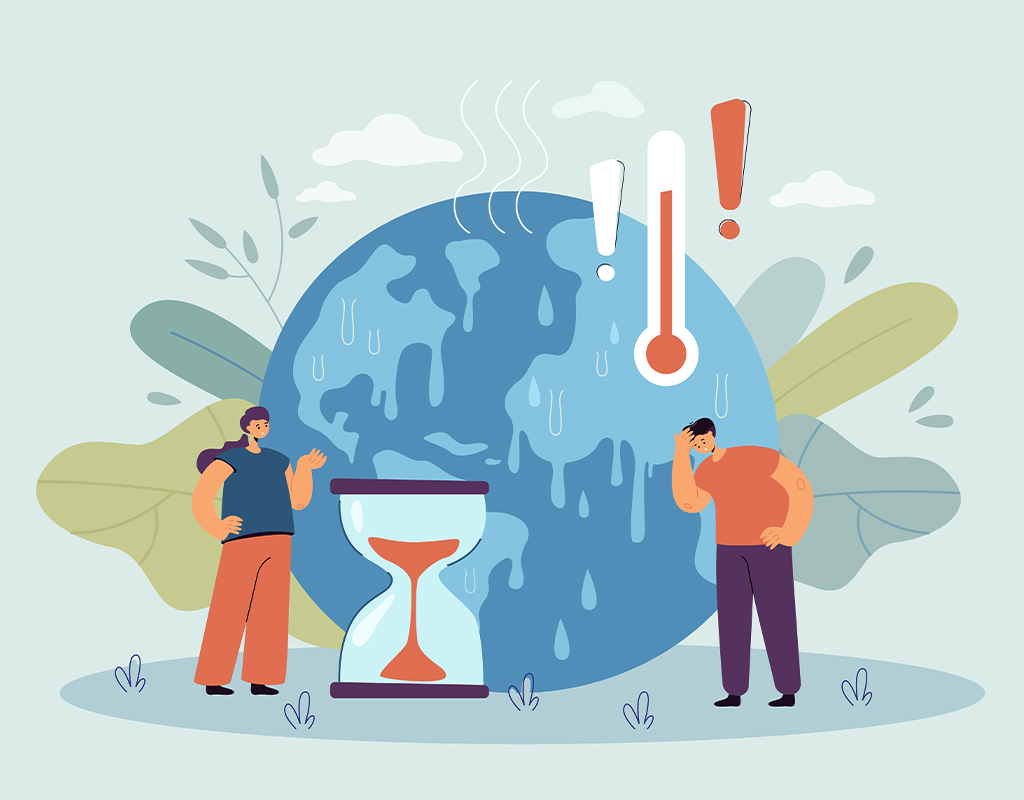
Eco-Anxiety is Real: 7 Ways to Stay Positive in the Face of Climate Change
Climate change is no longer a distant threat; it is a reality that impacts our daily lives. Rising sea levels, extreme weather events, and the loss of biodiversity are all contributing to a growing sense of eco-anxiety — a term that describes the chronic fear of environmental doom. While this anxiety is valid and reflects a deep care for our planet, it is crucial to find ways to stay positive and proactive. Here are some strategies to help you combat eco-anxiety while contributing to meaningful change.
1. Understand and Validate Your Feelings: The first step in addressing eco-anxiety is acknowledging it. Feeling overwhelmed by the magnitude of climate change does not mean you are powerless. On the contrary, your emotions are a testament to your commitment to protecting the planet. Talking to friends, family, or a therapist about your concerns can help you process these feelings and put them into perspective.
2. Focus on What You Can Control: While it’s easy to feel paralyzed by the scale of climate change, focusing on actionable steps can empower you. Start small: reduce your waste, switch to renewable energy sources, or adopt a plant-based diet. Individual actions may seem insignificant, but collectively, they drive cultural and systemic shifts.
3. Get Involved in Local and Global Efforts: One of the most effective ways to combat eco-anxiety is by joining a community of like-minded individuals. Whether you participate in local clean-ups, advocate for sustainable policies, or volunteer with environmental organizations, these actions can give you a sense of purpose and connection. Knowing you are part of a larger movement can be incredibly uplifting.
4. Educate and Empower Yourself: Knowledge is power, and staying informed about climate change solutions can inspire hope. Attend workshops, read credible sources, and follow scientists and activists on social media. If you have conducted research or have expertise in a related field, consider sharing your knowledge. For instance, you can publish your thesis or create content that educates others. By spreading awareness, you can amplify your impact.
5. Practice Mindfulness and Self-Care: Eco-anxiety can take a toll on your mental health, making self-care essential. Practices such as meditation, yoga, and spending time in nature can help you stay grounded. Remember, taking care of yourself is not selfish; it equips you to be a more effective advocate for the planet.
6. Advocate for Systemic Change: While individual actions matter, systemic change is crucial for tackling climate change. Support policies that promote renewable energy, sustainable agriculture, and conservation efforts. Use your voice to hold corporations and governments accountable. Writing letters, signing petitions, and voting are powerful ways to demand change.
7. Celebrate Progress: Amid the challenges, it’s important to celebrate the victories — no matter how small. From new legislation to technological innovations, there are countless examples of progress in the fight against climate change. Focusing on these successes can reignite your hope and motivation.
Final Thoughts: Eco-anxiety is a natural response to the environmental crises we face, but it doesn’t have to lead to despair. By taking proactive steps, staying informed, and nurturing your well-being, you can turn your anxiety into action. Remember, the fight against climate change is a collective effort, and every contribution counts. Together, we can build a sustainable future — one step at a time.